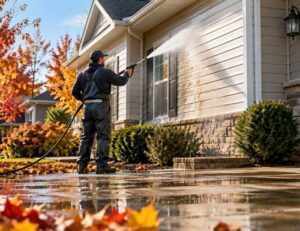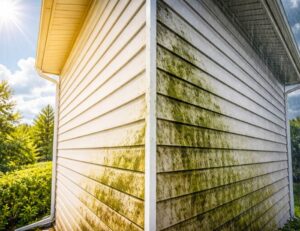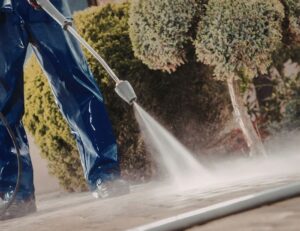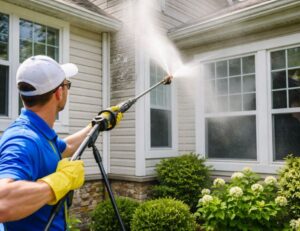
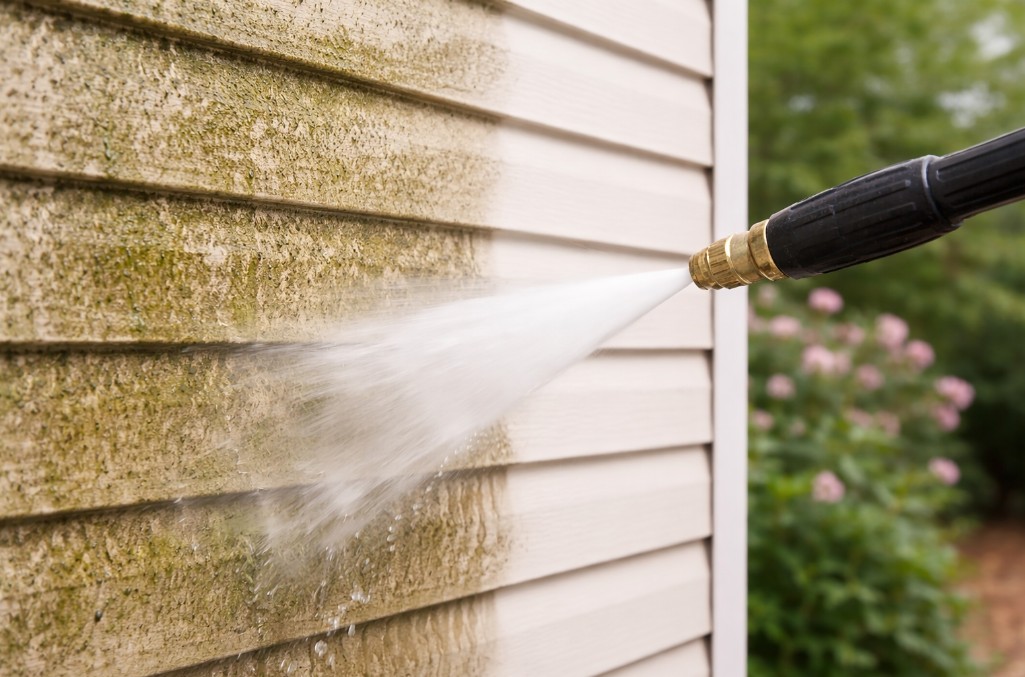
Vinyl siding is supposed to be the “easy” exterior, until it starts looking tired. Green streaks on the shady side, road dust near the garage, and that dull film that won’t rinse off with a hose can make a clean home look neglected. The good news is you can get power washing vinyl siding right, even as a first-time pressure-washer owner. The trick is treating siding less like concrete and more like a rain jacket: tough, but not meant to be blasted at the seams.
Why vinyl siding gets dirty (and why some stains come back fast)
Most siding grime is a mix of airborne dirt, pollen, traffic film, and organic growth. If your home has shade, trees, or stays damp after rain, algae and mildew can take hold, especially on north-facing walls.
A few things make vinyl look worse than it is:
- Chalking: Older vinyl can oxidize, leaving a powdery residue that smears when wet.
- Tiger stripes: Dirty oxidation runs down and settles under each lap.
- Splash zones: Mulch and soil kick up stains near the bottom rows.
Knowing what you’re seeing helps you choose the safest way to clean it, and avoid repeating the same wash in a month.
Power washing vs soft washing: choose the method that fits the mess
High pressure is not always the answer. In fact, for siding, pressure is often the fastest way to push water behind panels, loosen trim, or etch softer areas.
A simple rule helps:
Use pressure to rinse, and chemistry to clean.
Soft washing uses a cleaning solution to loosen organic buildup, then relies on low pressure to rinse. That’s why it’s popular for vinyl, painted surfaces, and anywhere you don’t want water driven into gaps.
If you only remember one thing, remember this: most siding “damage” stories start with too much pressure, too close, at the wrong angle.
Prep work that prevents headaches (and dead plants)
Prep is the boring part that saves you hours later.
Before you spray anything:
Close the house up tight: Shut windows, check screens, and close exterior vents if possible. Cover outlets and light fixtures if they aren’t rated for wet cleaning.
Protect landscaping: Soak plants with plain water first, especially if you’ll use any siding cleaner. Wet leaves dilute runoff and reduce stress. After you finish each wall, rinse plants again.
Clear the splash zone: Move patio furniture, grills, and doormats. Sweep away loose dirt so you’re not painting mud up the wall.
Also, pick the right day. Avoid direct, hot sun on the wall you’re washing because cleaner can dry too fast and leave residue.
Dial in nozzle choice, pressure, and spray angle for vinyl siding
Vinyl can handle rinsing pressure, but it doesn’t like a needle-point stream. Wider fan tips reduce the chance of cutting into the surface or forcing water where it shouldn’t go.
Good habits for beginners:
- Start with a wide-angle tip (often a 40-degree fan). A narrower tip concentrates force and raises risk fast.
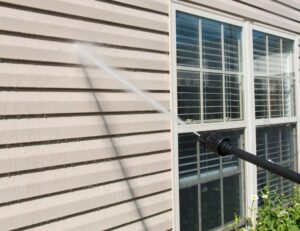
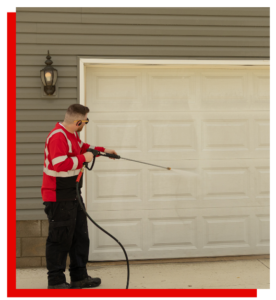
- Keep your distance: Begin 3 to 4 feet away, then move closer only if needed. Most siding doesn’t need close-range blasting.
- Spray slightly downward: Water should flow the same direction rain flows. Spraying upward is how water gets behind panels.
- Avoid seams and edges: Don’t “dig” at laps, corner posts, J-channel, or around windows.
If you want a visual walk-through for power washing vinyl siding from a trusted home improvement source, this video is a solid primer: How to Clean Vinyl Siding | Ask This Old House.
A simple workflow that leaves vinyl siding evenly clean
This process keeps your results consistent and helps avoid streaks.
- Rinse first (bottom to top): It sounds backward, but it prevents dry dirt from creating streaks when cleaner hits it. Use low pressure.
- Apply cleaner (bottom to top): Use a siding-safe cleaner through a downstream injector, foam cannon, or pump sprayer. Let it dwell, but don’t let it dry.
- Agitate only where needed: For stubborn spots, use a soft brush on an extension pole. Think “gentle car wash,” not scrubbing a grill.
- Rinse thoroughly (top to bottom): This is where most people slip up. Rinsing top-down is like rinsing shampoo out of hair; gravity is your helper.
- Work in small sections: One wall, or half a wall, at a time. Big sections dry unevenly and leave lines.
- Do a final low-pressure rinse: Especially around windows, trim, and soffits.
- Step back and check from an angle: Side lighting reveals missed patches and oxidation streaks.
Spot cleaning: fix the stains that don’t come off on the first pass
Some marks aren’t “dirt,” so they won’t wash away with pressure alone.
Green algae or mildew: You’ll usually need a cleaner that targets organic growth. Give it dwell time, then rinse gently. If it returns quickly, check for shade and constant moisture, like sprinklers hitting the wall.
Rust streaks: Often from metal fixtures, nails, or AC brackets. Treat with a rust remover made for exterior siding, and rinse well. Test a hidden spot first.
Chalky oxidation: If your hand comes away white after rubbing dry siding, pressure washing can make the wall look patchy. A mild wash can help, but heavy oxidation may need restoration work (or time to consider repainting or replacement).
Tiger stripes under laps: This is usually runoff carrying oxidation and grime. Soft washing plus gentle brushing along the lap line can improve it without forcing water upward.
Safety and warranty basics most DIYers miss
Vinyl siding manufacturers vary, but warranties often assume normal maintenance and reasonable cleaning methods. To stay on the safe side:
- Don’t use extreme pressure close to the surface.
- Don’t spray upward under laps or into vents.
- Don’t mix random chemicals, especially with bleach and other cleaners.
- Don’t pressure wash from a ladder. Use an extension wand or hire it out.
If you’re new to this, it helps to practice on the least visible wall first. Treat it like learning a new kitchen knife. Control matters more than power.
When it makes sense to hire a power washing pro in Central Ohio
Some homes are perfect DIY projects, others are stress traps. Call in help if you have heavy algae on multiple sides, tall peaks, stubborn oxidation, or you’re worried about pushing water behind siding.
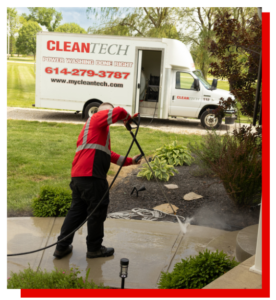
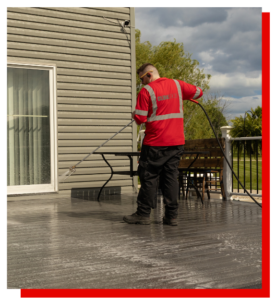
If you want a safer, low-pressure option, take a look at Soft wash house cleaning services. Cleantech specializes in professional pressure washing and soft washing for homes, businesses, driveways, sidewalks, fleets, and more, with a focus on spotless, damage-free results.
For homeowners who’d rather skip the trial and error, Cleantech provides Complete Power Washing & Soft Wash Services In Central Ohio. You can also request power washing estimate details online and pick the service that fits your exterior.
Conclusion
After a thorough power washing, clean vinyl siding should look bright and even, not “newly attacked.” Use wide tips, low pressure, the right cleaner, and a downward rinse, and you’ll get a great finish without risking leaks or loose panels. If the job feels risky or the stains keep coming back, a soft wash approach can be the simplest path to long-lasting curb appeal.