One of the most common questions we hear at Cleantech is: “How often should I actually clean my home’s exterior?”
The answer isn’t one-size-fits-all—but having the right schedule can save you money, protect your property, and keep your home looking its best year-round.
In this guide, we’ll break down exactly how often you should clean your driveway, roof, and siding—and what happens if you wait too long.
Why Regular Exterior Cleaning Matters
Exterior surfaces don’t just get dirty—they break down over time when contaminants are left untreated.
Things like:
-
Mold and mildew
-
Algae and organic growth
-
Oil stains and grime
…can cause permanent staining and even structural damage.
At Cleantech, we take a proactive approach with our full range of services to help homeowners stay ahead of these issues—not react to them after damage is done.
How Often Should You Clean Your Driveway?
Your driveway takes more abuse than almost any other surface on your property.
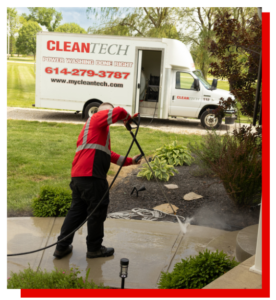
We recommend cleaning your driveway:
-
Once per year for general maintenance
-
Twice per year if you have heavy traffic, oil stains, or tree coverage
With professional driveway cleaning, we remove:
-
Oil and fluid stains
-
Tire marks
-
Built-up grime
Routine cleaning not only improves curb appeal—it also prevents long-term surface deterioration.
How Often Should You Clean Your Siding?
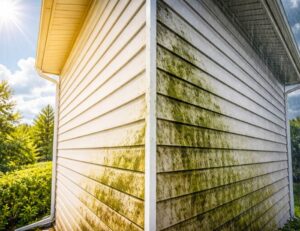
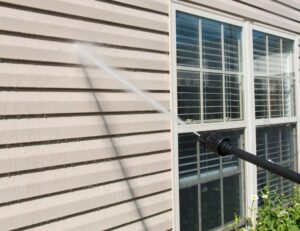
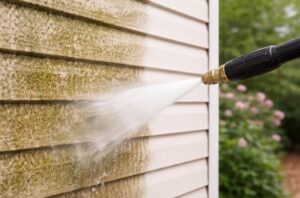
Your home’s siding is constantly exposed to the elements, making it a hotspot for algae, mold, and dirt buildup.
We recommend:
-
Once per year for most homes
-
Every 6–9 months in shaded or humid environments
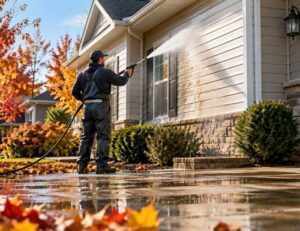
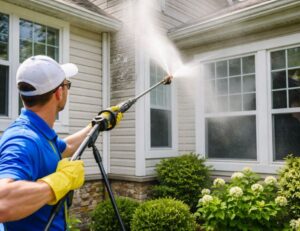
Our house washing process uses a soft washing method to safely clean without damaging your siding.
Signs You Need Siding Cleaning Sooner
-
Green or black streaks
-
Visible dirt or dullness
-
Pollen buildup during spring
If you notice these, it’s time to schedule a cleaning sooner rather than later.
How Often Should You Clean Your Roof?
Your roof requires the most careful approach—and the right timing.
We recommend:
-
Every 1–2 years depending on buildup
-
Sooner if you see black streaks or moss
Our roof cleaning service uses a soft wash system that safely removes algae and extends the life of your shingles.
Why You Shouldn’t Wait on Roof Cleaning
Roof contaminants don’t just sit on the surface—they actively degrade your roofing materials over time. Waiting too long can lead to:
-
Premature roof aging
-
Higher energy costs
-
Costly repairs or replacements
Factors That Affect Cleaning Frequency
Not every home follows the same schedule. Several factors can speed up buildup:
-
Tree coverage → More shade = more algae growth
-
Moisture & humidity → Faster mold and mildew development
-
Nearby construction or traffic → Increased dust and debris
-
Weather patterns → Heavy rain and heat cycles
If your home checks any of these boxes, you may need more frequent cleanings.
The Risks of Waiting Too Long
Delaying exterior cleaning doesn’t just affect appearance—it can create bigger problems.
We often see:
-
Permanent staining on concrete
-
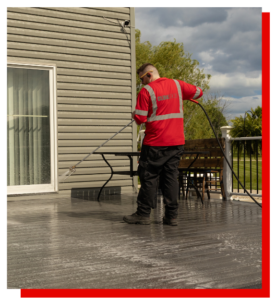
Wood rot on decks and fences
-
Roof damage from algae and moss
Regular maintenance with pressure washing helps prevent these issues before they become expensive repairs.
Why Homeowners Trust Cleantech for Ongoing Maintenance
At Cleantech, we don’t just show up and spray—we build long-term maintenance plans tailored to your property.
Whether you need:
-
Annual cleanings
-
Seasonal touch-ups
-
Full exterior restoration
We’re here to help you protect your investment.
If you’re not sure where your home stands, the best place to start is to request a quote and let our team evaluate your property.
You can also learn more about our experience and approach on our About page.
TL;DR – Key Takeaways
-
Driveways: Clean once per year (or twice for heavy use)
-
Siding: Clean annually, or more often in humid/shaded areas
-
Roofs: Clean every 1–2 years using soft washing
-
Environment and exposure heavily impact cleaning frequency
-
Regular maintenance prevents costly damage and extends surface life