Cleaning your home’s exterior isn’t just about curb appeal—it’s about protecting surfaces, extending their lifespan, and preventing costly repairs. If you’ve started researching exterior cleaning, you’ve probably run into the debate: soft washing vs. pressure washing.
While both methods are effective, choosing the wrong one can lead to damaged siding, etched concrete, or lingering organic growth. Here’s how to decide which approach is right for your home.
What Is Pressure Washing?
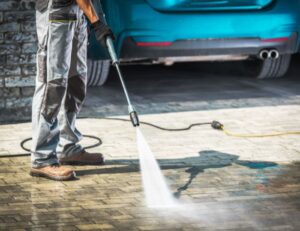
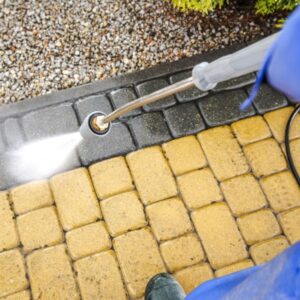
Pressure washing uses high-powered water to blast away dirt, mud, grease, and buildup from hard surfaces. It’s a mechanical cleaning method that relies on force rather than chemicals.
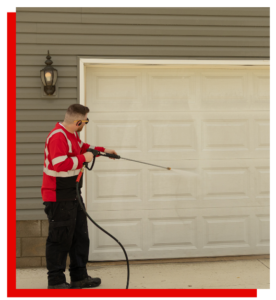
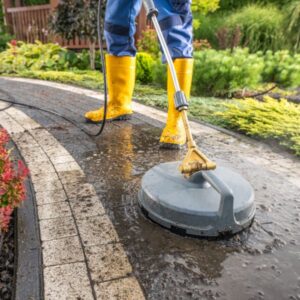
This method is commonly used for surfaces that can withstand strong water pressure, such as concrete and stone. Many homeowners turn to professional pressure washing services to ensure the job is done safely and evenly.
Common pressure washing applications
-
Concrete driveways and walkways
-
Patios and pavers
-
Garage floors
-
Certain brick or masonry surfaces
When used correctly, pressure washing delivers fast, visible results on tough grime.
What Is Soft Washing?
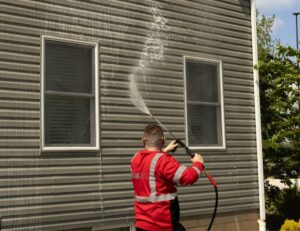
Soft washing is a low-pressure cleaning method that uses specialized, eco-friendly solutions to break down dirt, algae, mold, and mildew. Instead of relying on force, it treats the root of the problem and gently rinses surfaces clean.
Soft washing is ideal for more delicate exterior materials and is often recommended for siding, roofs, and painted surfaces. Many homeowners choose professional house washing services that use soft wash techniques to avoid damage.
Typical soft washing uses
-
Vinyl or painted siding
-
Roofs and shingles
-
Fences and decks
-
Stucco or wood surfaces
Because it kills organic growth rather than just removing it, soft washing often keeps surfaces cleaner for longer.
Key Differences Between Soft Washing and Pressure Washing
Understanding the core differences makes the decision easier:
-
Water pressure: Pressure washing uses high PSI; soft washing uses low PSI
-
Cleaning method: Pressure washing relies on force; soft washing relies on solutions
-
Surface safety: Soft washing is gentler on delicate materials
-
Longevity: Soft washing often prevents faster regrowth of algae and mold
For many homes, the best approach is a combination of both, applied strategically to different areas.
Which Method Is Best for Each Area of Your Home?
Choosing the right method depends on the surface you’re cleaning.
Driveways, sidewalks, and patios
Hard, flat surfaces like concrete benefit from pressure washing. Services such as driveway cleaning and sidewalk washing typically use controlled pressure to remove embedded grime.
Siding and exterior walls
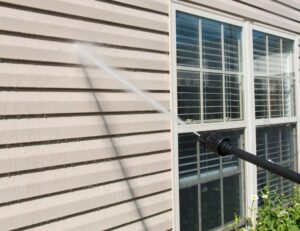
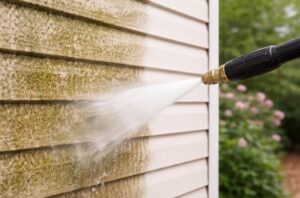
Most siding types respond best to soft washing. This approach cleans thoroughly without forcing water behind panels or damaging paint.
Decks and fences
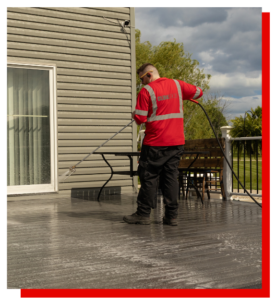
Wood and composite materials can splinter under high pressure. Soft washing or low-pressure cleaning, like fence and deck cleaning, helps preserve the surface while restoring appearance.
Roofs
Roofs should never be pressure washed. Professional roof cleaning relies on soft washing to safely remove moss, algae, and stains without shortening shingle life.
Risks of Choosing the Wrong Method
Using the wrong cleaning technique can do more harm than good:
-
Cracked siding or stripped paint
-
Etched concrete and pavers
-
Water intrusion behind siding
-
Voided manufacturer warranties
That’s why many homeowners rely on experienced professionals rather than DIY methods.
Should You DIY or Hire a Professional?
While rental equipment is readily available, professional exterior cleaners bring more than just tools. They understand surface materials, correct pressure levels, and proper cleaning solutions.
A professional exterior cleaning company can assess your property and recommend the safest combination of methods. Many homeowners start by exploring available residential services before scheduling a consultation.
If you’re unsure which approach your home needs, requesting a professional evaluation can save time and prevent damage. You can easily request a quote to get expert guidance tailored to your property.
When a Combination Approach Makes Sense
In many cases, the best results come from using both methods:
-
Pressure washing for concrete and hardscapes
-
Soft washing for siding, roofs, and wood surfaces
This comprehensive approach ensures every area of your home is cleaned effectively and safely.
TL;DR / Key Takeaways
-
Pressure washing is best for hard, durable surfaces like concrete
-
Soft washing is ideal for siding, roofs, and delicate materials
-
Using the wrong method can cause costly damage
-
Professional services help match the right technique to each surface
-
A combined approach often delivers the best long-term results
If your home’s exterior needs a refresh and you’re not sure where to start, professional guidance can make all the difference.