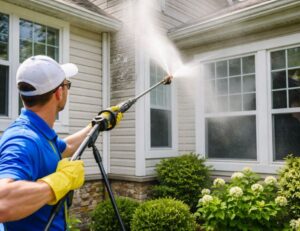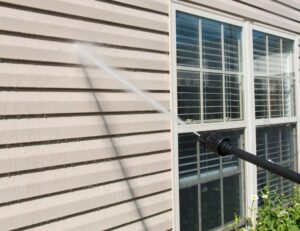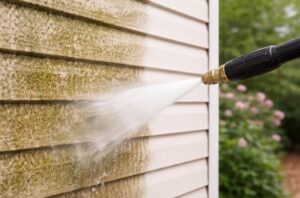
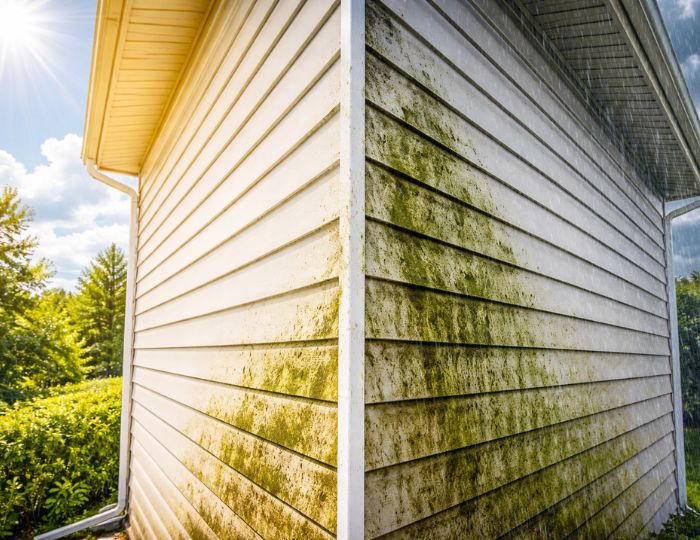
If you’ve ever noticed green streaks on your siding or dark stains creeping across your roof, weather is usually the reason why.
At Cleantech, we see it all the time—homes that look perfectly clean one season can quickly develop buildup the next. That’s because mold, algae, and grime don’t just appear randomly—they thrive under specific weather conditions.
Understanding how weather impacts your home’s exterior can help you stay ahead of damage and avoid costly repairs.
Why Weather Plays a Major Role in Exterior Buildup
Your home is constantly exposed to the elements, and different weather patterns create the perfect environment for organic growth.
The biggest contributors include:
-
Moisture
-
Heat
-
Shade
-
Airborne debris
Over time, these factors combine to create the ideal conditions for mold, algae, and mildew to spread—especially on surfaces that aren’t regularly cleaned with professional pressure washing.
How Rain and Humidity Accelerate Growth
Moisture is the #1 driver of exterior buildup.
Frequent rain and high humidity:
-
Keep surfaces damp for extended periods
-
Promote algae and mold growth
-
Allow contaminants to spread quickly
This is especially noticeable on siding and roofs, where water doesn’t always evaporate evenly.
That’s why routine house washing is essential in areas with frequent rainfall or high humidity levels.
The Role of Sunlight (and Lack of It)
Sunlight can actually help slow down mold and algae growth—but only to a point.
Areas that receive less sunlight, such as:
-
The north side of your home
-
Sections shaded by trees
-
Covered patios or overhangs
…tend to stay damp longer, making them prime spots for buildup.
We often recommend more frequent cleanings for these areas, especially when paired with services like roof cleaning, where shaded sections are particularly vulnerable.
How Temperature Swings Affect Your Exterior
Fluctuating temperatures—especially during seasonal transitions—can accelerate wear and buildup.
Here’s how:
-
Warm temperatures encourage organic growth
-
Cool nights trap moisture on surfaces
-
Freeze-thaw cycles can trap dirt and debris
These conditions make it easier for contaminants to stick and spread, particularly on porous surfaces like concrete and wood.
Regular maintenance, including driveway cleaning, helps prevent long-term damage caused by these cycles.
Wind, Dirt, and Environmental Debris
Wind might not seem like a major factor, but it plays a big role in how your home gets dirty.
It carries:
-
Dust and dirt
-
Pollen
-
Organic debris
These particles settle on your home’s exterior and, when combined with moisture, create the perfect breeding ground for mold and algae.
This is especially noticeable on flat surfaces like:
Without regular cleaning, buildup can quickly become embedded and harder to remove.
Seasonal Patterns to Watch For
Different seasons bring different challenges:
Spring
-
Heavy pollen buildup
-
Increased moisture
-
Rapid algae growth
Summer
-
Heat accelerates organic growth
-
Humidity keeps surfaces damp
Fall
-
Leaves and debris trap moisture
-
Increased staining and buildup
Winter
-
Dirt and grime accumulate
-
Freeze-thaw cycles worsen surface wear
Staying on top of these seasonal changes with routine service from Cleantech helps keep your property in top condition year-round.
What Homeowners Can Do to Prevent Buildup
While weather is unavoidable, buildup doesn’t have to be.
Here’s how to stay ahead:
-
Schedule regular cleanings
-
Address shaded and high-moisture areas more often
-
Remove debris like leaves and dirt buildup
-
Act quickly when you notice discoloration
At Cleantech, we offer customized maintenance plans based on your property’s exposure and environment. You can explore all options on our services page.
If you’re already seeing signs of buildup, the best next step is to request a quote so we can assess your property and recommend the right solution.
Why Homeowners Trust Cleantech Year-Round
Weather never stops impacting your home—but with the right team, it doesn’t have to cause damage.
At Cleantech, we:
-
Adjust cleaning methods based on conditions
-
Use safe, effective soft washing when needed
-
Help homeowners stay ahead of seasonal buildup
You can learn more about our team and approach on our About page, or see why customers trust us by visiting our reviews.
TL;DR – Key Takeaways
-
Weather is the primary cause of mold, algae, and exterior buildup
-
Moisture and humidity accelerate growth the most
-
Shaded areas are more prone to buildup than sunny ones
-
Seasonal changes impact how quickly your home gets dirty
-
Regular professional cleaning helps prevent long-term damage